



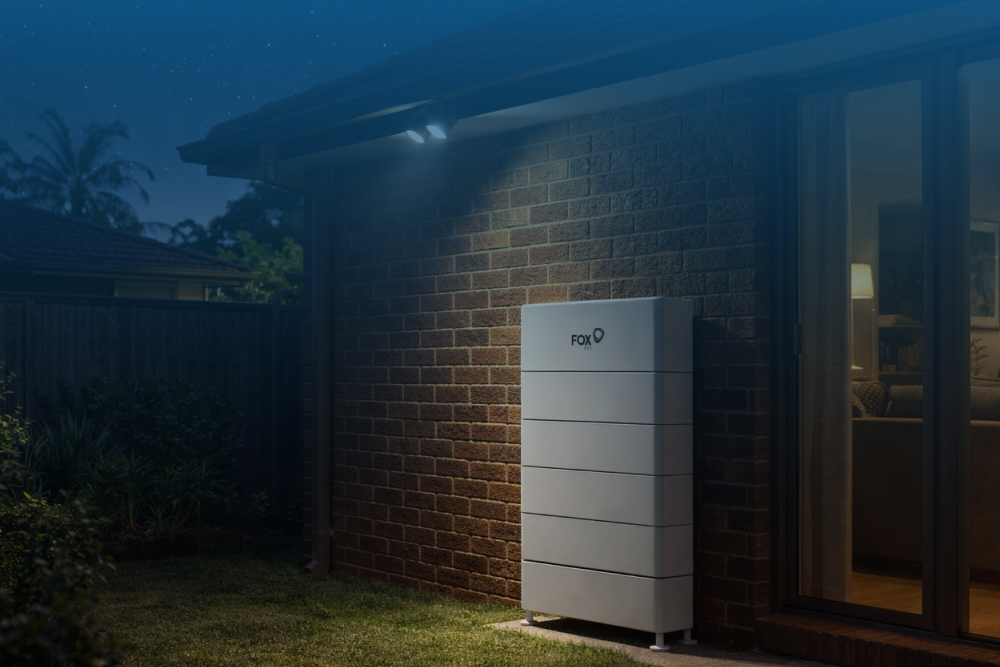
As Australia continues to move toward renewable energy, solar battery storage systems are becoming an essential part of modern homes. In 2026, with increasing energy demand and a stronger focus on energy independence, more homeowners are choosing to upgrade their solar panel systems with battery storage.
Adding a solar battery storage system allows households to store excess solar energy and use it when needed, making solar power more efficient and reliable.
How Solar + Battery Works (Simple Flow)
| Stage | What Happens |
|---|---|
| Daytime | Solar panels generate electricity |
| Excess Energy | Unused power is stored in the battery |
| Evening/Night | Stored energy powers your home |
| Outage | Battery supplies backup power |
Key Benefits of Solar Battery Storage
1. Turn Daytime Solar into 24/7 Power
Solar panels generate energy when the sun is shining, but most homes consume more electricity in the evening. A solar battery storage system bridges this gap by storing excess energy and making it available when it’s needed most.
This means your solar system continues working for you even after sunset.
2. Greater Control Over Your Energy Usage
With a home solar battery, you gain more control over how and when electricity is used. Instead of relying entirely on the grid, you can prioritize your stored solar energy during peak times, giving you more flexibility and control over your consumption patterns.
3. Protection Against Power Interruptions
Grid outages can disrupt daily life, especially during extreme weather conditions. A battery backup system ensures that essential appliances like lights, refrigerators, and internet systems continue running when the grid is down.
This added reliability is becoming increasingly valuable for Australian households.
💡 Tip: Use battery during peak tariff hours to maximize savings and reduce grid dependency.
4. Maximize Self-Consumption of Solar Energy
One of the biggest advantages of a solar battery system is increased self-consumption. Instead of exporting unused solar energy back to the grid, you store and use it within your home.
This not only improves efficiency but also ensures that more of the energy you generate is actually used by you.
5. Smarter Energy Management with Technology
Modern solar battery storage systems come with smart monitoring features that allow homeowners to track energy generation, storage, and usage in real time. This helps in making better energy decisions and optimizing overall system performance.
6. A Step Towards Sustainable Living
Using a solar battery for home supports a cleaner energy future. By relying more on renewable energy and less on traditional power sources, households can reduce their environmental impact and contribute to sustainability goals.
Solar With vs Without Battery (Quick Comparison)
| Feature | Without Battery | With Battery |
|---|---|---|
| Night Usage | Grid dependent | Uses stored solar |
| Outage Support | No | Yes (if enabled) |
| Energy Control | Limited | High |
| Solar Utilization | Partial | Maximum |
Why 2026 Is a Turning Point
- Growing demand for energy independence
- Increased awareness of grid reliability issues
- Shift from exporting energy to self-usage optimization
- Advancements in battery efficiency and smart features
Conclusion
In 2026, adding a solar battery storage system is not just about improving your solar setup - it’s about transforming how your home uses energy. From enhanced control and efficiency to reliable backup and smarter usage, solar batteries are shaping the future of residential energy in Australia.
Homes that combine solar panels with battery storage are better equipped to handle changing energy demands while making the most renewable power.