



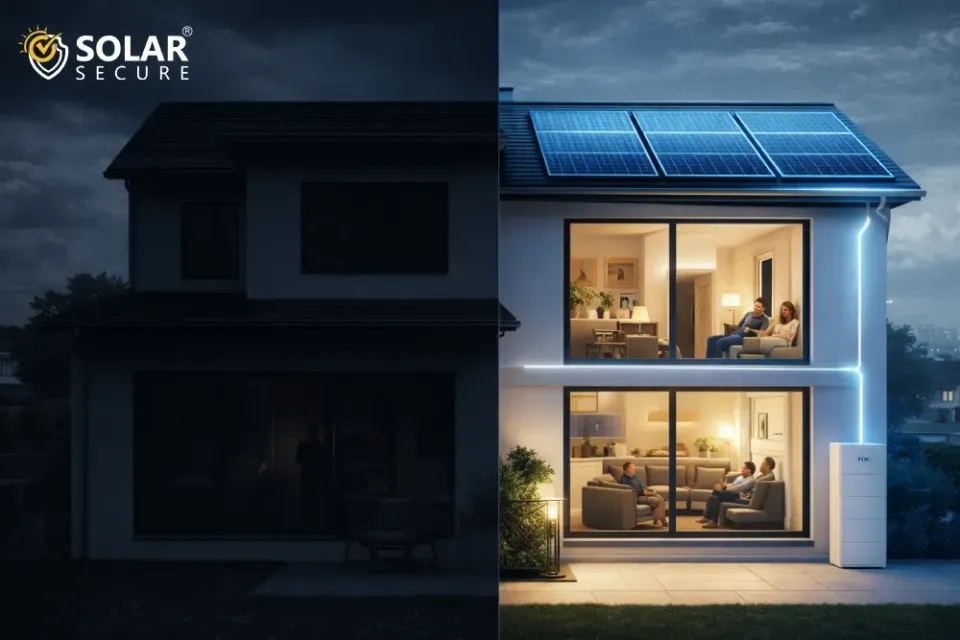
In 2026, reliable electricity is no longer something homeowners can take for granted. From extreme weather events and aging grid infrastructure to rising energy prices, power interruptions are becoming more frequent and more costly. While rooftop solar panels have helped millions reduce their electricity bills, they alone are not enough to keep your home running during a blackout.
That’s where solar battery backup comes in.
A solar battery transforms your system from a bill-saving tool into a complete energy security solution. Here’s why solar battery backup is no longer a luxury but an essential upgrade in 2026.
1. Power Outages Are Increasing — And So Are the Risks
- Severe storms and wildfires
- Heatwaves increasing electricity demand
- Aging utility infrastructure
- Overloaded grids from EV charging and electrification
Across many regions, grid instability is becoming more common due to:
When the grid goes down, traditional solar systems automatically shut off for safety reasons. This means even if the sun is shining, your home will still lose power unless you have a battery backup system. In 2026, energy reliability equals peace of mind.
2. Solar Panels Alone Aren’t Enough
- Grid-tied systems disconnect during blackouts
- Excess solar energy is sent back to the grid without storage
- Nighttime power still depends on the utility
Many homeowners assume solar panels automatically power their homes during outages. However:
The battery changes everything.
- Store excess solar energy during the day
- Use stored energy at night
- Keep essential appliances running during outages
With systems like the Tesla Powerwall, Neovolt, FoxESS, Sigenergy or AlphaESS you can:
The result? Continuous power, even when the grid fails.
3. Protection for Essential Appliances
- Refrigerators and freezers
- Internet routers and home offices
- Medical devices
- Security systems
- Heating and cooling systems
Think about what stops working during a blackout:
A solar battery backup allows you to prioritize critical loads, ensuring essential circuits remain powered.
For families working remotely or caring for elderly members, backup power is not optional — it’s critical.
4. Rising Electricity Costs Make Storage Smarter
- Store cheaper daytime solar energy
- Avoid buying expensive peak-hour electricity
- Reduce dependency on the grid
- Increase long-term savings
In 2026, time-of-use (TOU) electricity rates are increasingly common. Utilities charge higher prices during peak demand hours.
Solar battery backup allows you to:
Instead of exporting excess solar power at lower compensation rates, you keep and use your own energy — maximizing your return on investment.
5. Energy Independence & Control
- Real-time monitoring apps
- Smart load management
- Automatic outage detection
- Seamless switching between grid and battery
In 2026, homeowners want more control over their energy.
Modern battery systems offer:
Energy independence is no longer just about sustainability — it’s about resilience.
With a battery backup, your home becomes a mini power plant, capable of generating, storing, and managing its own electricity.
6. Environmental Responsibility
- Reducing peak demand
- Supporting renewable energy integration
- Lowering reliance on fossil-fuel Peaker plants
Solar batteries also help stabilize the broader grid by:
When more homes adopt battery storage, communities become more resilient and less dependent on carbon-intensive backup power sources.
Choosing battery storage isn’t just good for your home, it supports a cleaner energy future.
7. Future-Proofing Your Home
- Electric vehicles
- Heat pumps
- Induction cooktops
- Smart appliances
Electrification is accelerating. Homes are adding:
All of these increase electricity demand.
- Higher energy usage
- Grid price volatility
- Emergency preparedness
- Smart home integration
A solar battery backup ensures your home is ready for:
In 2026, homes without storage may find themselves increasingly vulnerable to both outages and high utility bills.
Who Should Consider Installing a Solar Battery Backup?
Homeowners in Areas with Frequent Power Outages
Homeowners who live in areas with frequent power outages due to natural disasters or grid issues can benefit from a solar battery backup system. These systems provide a reliable and independent source of power, ensuring that homeowners have access to electricity even when the grid goes down.
Off-Grid Homeowners
Off-grid homeowners who live in remote areas or want to live off the grid can use solar battery backup systems to power their homes. These systems can store enough energy to power a home for days or even weeks, depending on the size of the system and the energy needs of the home.
Business Owners
Business owners who rely on electricity to power their operations can benefit from a solar battery backup system. These systems can provide a reliable and independent source of power, ensuring that the business can continue to operate even during power outages.
EV, RV and Boat Owners
EV, RV and boat owners who want to power their vehicles with solar energy can use solar battery backup systems to store energy and power their vehicles. These systems can provide a reliable and independent source of power, allowing EV, RV and boat owners to travel off the grid and still have access to electricity.
Conclusion
In conclusion, solar battery backup systems are a versatile and reliable source of power that can benefit a wide range of individuals. Homeowners in areas with frequent power outages, off-grid homeowners, business owners, and RV and boat owners can all benefit from a solar battery backup system. Environmentally conscious individuals, those with fluctuating energy costs, those with limited access to electricity, and preppers and survivalists may want to invest in a solar battery backup system.
With the rising costs of electricity and the increasing need for sustainable energy sources, solar battery backup systems are becoming more popular and are a smart investment for those who want to be prepared for emergencies and reduce their reliance on traditional fossil fuels.